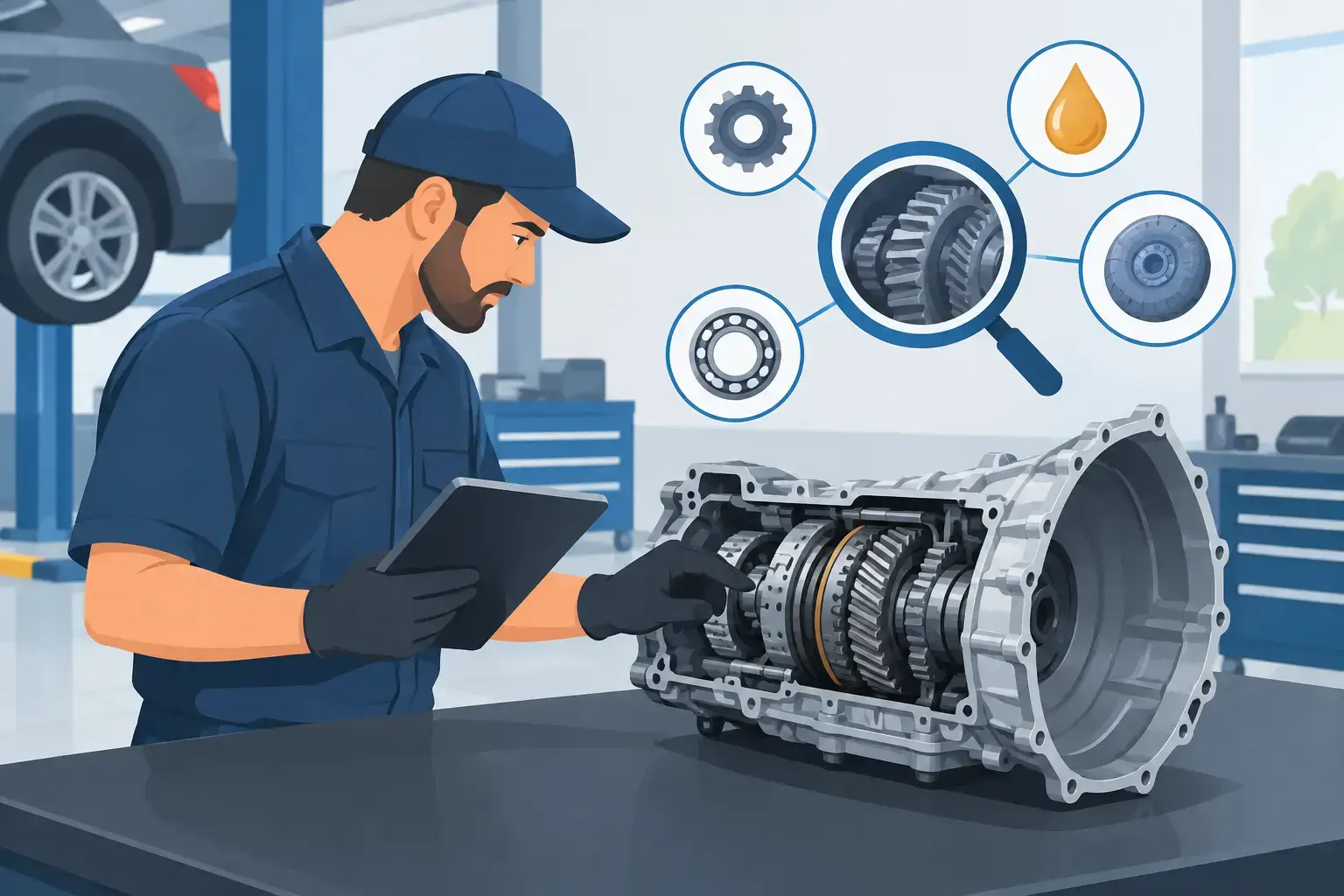
A transmission concern rarely arrives with a clear answer. Your vehicle may hesitate pulling away from a stop, shift hard when warm, slip on the highway, or show a warning light that seems unrelated. Good transmission shops do not jump straight to recommending a replacement. They take the time to determine what is actually causing the problem, explain it in plain language, and give you upfront options before major work begins.
That approach matters because a transmission is one of the most complicated systems in your vehicle. A symptom that feels like transmission failure can come from an engine misfire, a sensor, low or contaminated fluid, a driveline issue, or an electrical problem. The right diagnosis protects your vehicle and your budget.
Why a Proper Transmission Diagnosis Comes First
Automatic, manual, CVT, and heavy-duty diesel transmissions all operate differently, but they share one requirement: the diagnosis has to be accurate before the repair can be accurate. Replacing parts based on a guess can lead to unnecessary expense and leave the original issue unresolved.
A qualified technician starts with the details you can provide. When did the concern begin? Does it happen only when the vehicle is cold or after it has warmed up? Does it occur at a certain speed, under acceleration, while towing, or when shifting into reverse? Those answers help narrow the search before any tools come out.
From there, the shop should inspect the vehicle, scan for diagnostic trouble codes, road test it when appropriate, and check the condition and level of transmission fluid. Fluid can tell part of the story. Burnt odor, unusual color, metal debris, or evidence of coolant mixing with fluid may point toward internal damage, but fluid alone does not prove every diagnosis.
Modern vehicles also depend heavily on electronics. Shift solenoids, speed sensors, control modules, wiring, and software can affect how a transmission behaves. A warning code is useful, but it is not automatically a parts list. A professional diagnosis confirms whether a code is the cause of the problem or a result of another failure.
What Honest Transmission Shops Should Explain
You should not need to be an automotive expert to understand what is happening with your own vehicle. After testing is complete, the shop should be able to explain the findings without hiding behind technical terms.
A clear explanation includes the symptom, what was tested, what was found, and what repair is recommended. For example, there is a big difference between a transmission that needs a service, one that has an external electrical failure, and one with internal clutch damage. Each situation has a different repair path, cost, and expected downtime.
Ask the shop to explain which components are affected and whether replacement parts will be new, remanufactured, rebuilt, or used. There is not one right answer for every vehicle. A newer vehicle with a strong overall condition may justify a more extensive repair. An older vehicle with rust, engine issues, or high mileage may call for a more budget-conscious option. Honest advice means discussing those trade-offs rather than pushing the most expensive repair by default.
Written estimates are equally important. Before work begins, you should know what the quoted repair includes, whether additional damage could change the estimate, and how the shop will contact you if more work is needed. Major transmission repairs can reveal worn internal parts only after disassembly. That is normal, but you should be kept informed and asked for approval before authorized work goes beyond the original plan.
Questions Worth Asking Before You Approve Repairs
A reputable shop will welcome reasonable questions. You may want to ask how the problem was confirmed, whether the repair addresses the root cause, and what parts are being replaced. It is also fair to ask about labor coverage, the warranty terms, and what maintenance can help protect the repair afterward.
If you have an extended warranty, ask whether the shop works with warranty companies and whether it charges administrative fees for handling a claim. Warranty approvals can require inspection reports, teardown authorization, photos, or communication with an adjuster. A shop familiar with that process can help keep things moving while still making sure the repair is completed correctly.
Repair, Rebuild, or Replacement: It Depends
Transmission repairs are often discussed as if every problem leads to a complete replacement. That is simply not true. Some vehicles need a sensor, solenoid, seal, pan gasket, valve body repair, cooler line repair, or fluid service. These repairs can solve the issue without removing or rebuilding the transmission.
When internal damage is confirmed, the choices may include a rebuild, a remanufactured unit, or a replacement transmission. The best option depends on the vehicle, parts availability, the extent of damage, your future plans for the vehicle, and the warranty offered with each option.
An in-house rebuild can be a strong choice when the transmission is suitable for rebuilding and the shop can inspect every internal component. This allows the technician to identify damaged clutches, steels, bearings, bushings, seals, and hard parts rather than treating the unit as a sealed box. It may also allow the repair to address known weak points for a specific transmission design.
A remanufactured transmission can make sense when a reliable unit is readily available and its warranty fits your needs. The trade-off is that the shop may have less control over the unit’s internal build and availability can affect the timeline. Used transmissions are sometimes considered for older vehicles or limited budgets, but their history is usually unknown and warranty coverage may be more limited.
No honest shop can promise that one option is best without first evaluating the vehicle and the failure. The goal should be to help you make a well-informed decision, not to pressure you into a one-size-fits-all answer.
Watch for Signs Your Vehicle Needs Attention
Early action can sometimes prevent a smaller concern from becoming a larger repair. Pay attention if your vehicle delays before moving into drive or reverse, slips between gears, shudders during acceleration, shifts harshly, makes whining or grinding noises, or leaks red, brown, or dark fluid.
A check engine light or transmission warning light also deserves attention, even when the vehicle still seems to drive normally. Some transmission issues begin intermittently. Waiting until the vehicle will not move can turn a manageable repair into a roadside breakdown and may cause further internal damage.
That said, do not assume every odd shift means a failed transmission. Rough shifting can result from engine performance problems, damaged mounts, driveline issues, low battery voltage, or software-related concerns. This is exactly why testing matters.
Choosing a Shop You Can Trust
The best repair experience is about more than having the right equipment. Look for a shop that listens carefully, performs a real diagnosis, and communicates before work changes direction. Technician training matters, especially for complicated electronic and internal transmission work, but so does accountability. You should know who is working on your vehicle and who can answer your questions.
Family-owned shops can offer a more direct line of communication because the people making decisions are often the people speaking with customers. At Shift Right Transmissions, that means customers can discuss their vehicle with owners who understand both the technical repair and the stress that comes with unexpected car trouble.
For drivers in Englewood, Venice, and nearby Southwest Florida communities, vehicle reliability is not optional. It affects work, appointments, family plans, and daily independence. Fleet owners have the added responsibility of keeping vehicles available for customers and employees. Whether the vehicle is a personal car, a work truck, or a diesel-powered vehicle, the same standard applies: diagnose carefully, explain clearly, and repair only what is needed.
Protecting Your Transmission After Repairs
Once a repair is complete, follow the maintenance guidance for your vehicle and driving habits. Transmission service intervals vary widely. Some vehicles need regular fluid service, while others use fluids designed for longer intervals. Towing, frequent stop-and-go driving, high heat, and heavy loads can all increase stress on the transmission.
Use the correct fluid specification, not just any fluid labeled for automatic transmissions. The wrong fluid can affect shift quality and internal component life. If your vehicle tows regularly, ask whether the transmission cooler, fluid condition, and service schedule should be evaluated more often.
A good repair shop should leave you with more than an invoice. You should understand what was repaired, what to watch for, and when to return for any recommended follow-up. That kind of communication turns a difficult repair decision into a practical plan for keeping your vehicle dependable.
Leave a Reply